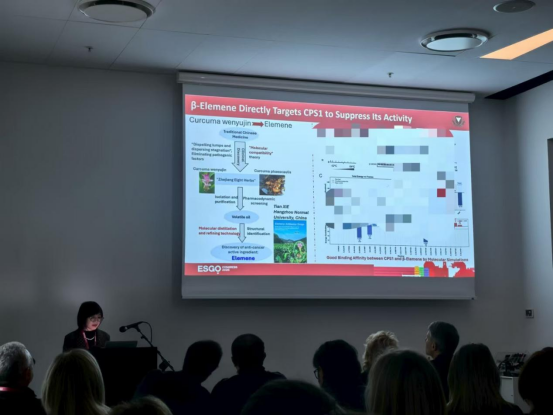




Targeting Urea Cycle Overcomes Chemo-Resistance in Endometrial Cancer: WHZJU Research Presented at Major European Congress
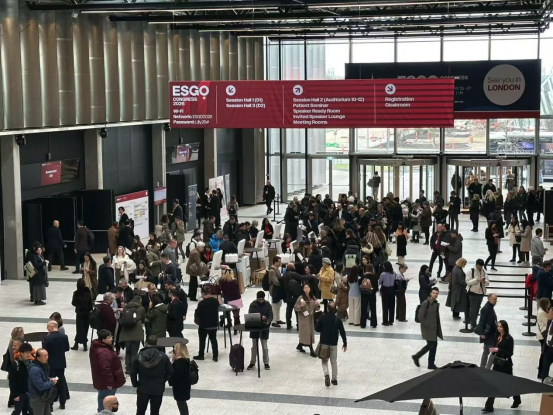
Dr. Li Yang, an Associate Professor from the Department of Gynecologic Oncology at the Women’s hospital, School of Medicine, Zhejiang University delivered a significant oral presentation at the 27th Annual Meeting of the European Society of Gynaecological Oncology (ESGO), held in Copenhagen, Denmark, from February 25 to March 1, 2026.
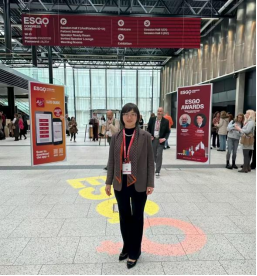
The presentation took place during the highly selective "Translink" session, a dedicated forum designed to highlight the most promising translational research poised for clinical impact. Dr. Li was specially invited to present his team's latest research, entitled "Targeting Urea Cycle Reverses Paclitaxel Resistance in TP53[R273C]-Mutant Endometrial Cancer Driven by ASS1-Enhanced Ammonia Metabolism."
This study addresses a critical challenge in treating endometrial cancer—specifically, taxane resistance in tumors harboring the TP53 R273C mutation. Dr. Li's research demonstrates that aberrant activation of the urea cycle enzyme ASS1 fuels ammonia metabolism, creating a metabolic vulnerability. By targeting this pathway, the research team successfully reversed chemoresistance in preclinical models, offering a novel therapeutic strategy.
"The 'Translink' session is reserved for science that bridges the gap between bench and bedside," said Dr. Li during his presentation. "Our findings not only elucidate a new metabolic mechanism of drug resistance but also identify a actionable target that could potentially restore sensitivity to standard chemotherapy."
The presentation garnered substantial attention from leading international experts in gynecologic oncology, prompting vigorous discussion regarding the translational roadmap and future clinical applications. The positive reception underscores the international visibility of Zhejiang University's efforts in advancing translational medicine for women's cancers.
"This recognition at ESGO signifies that our work is resonating with the global scientific community," added Dr. Li. "We are optimistic that these findings will lay the groundwork for deeper international collaborations and ultimately contribute to improved outcomes for patients with refractory endometrial cancer."